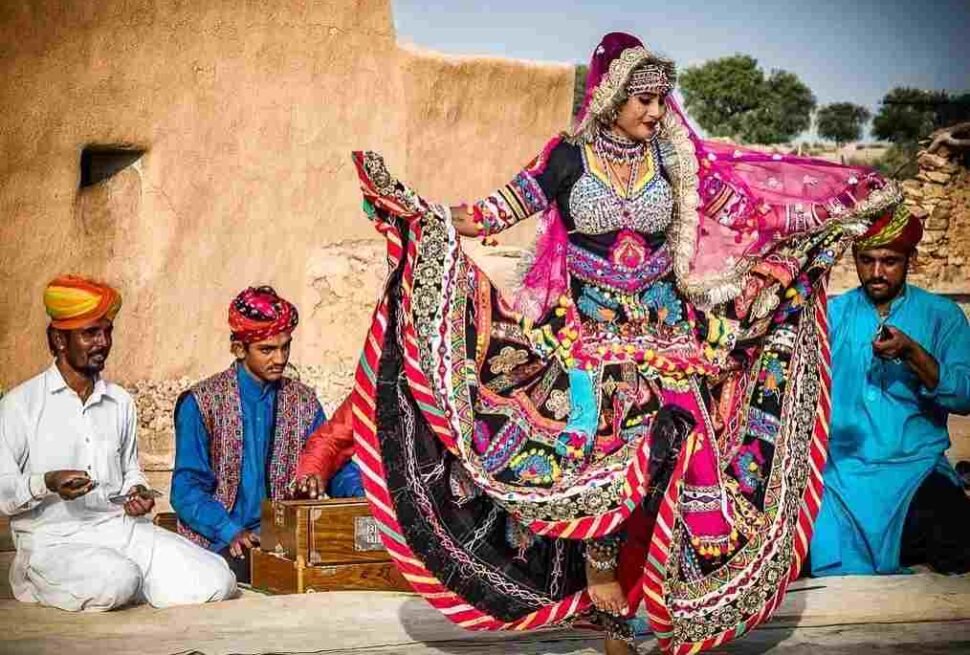
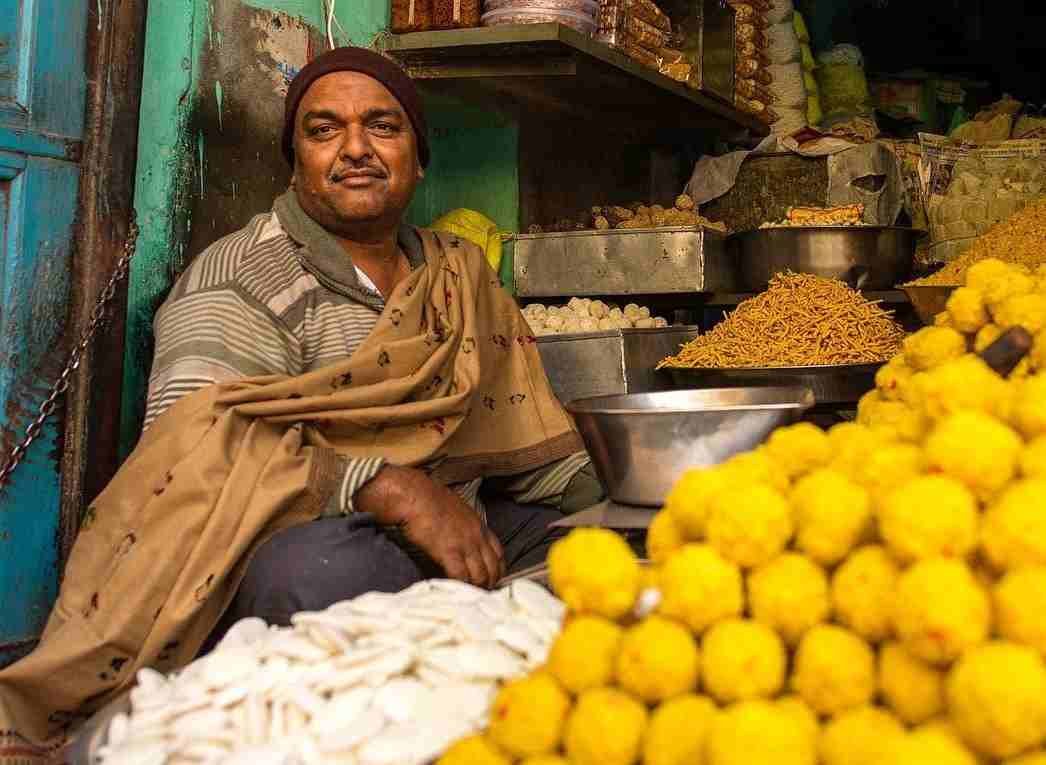
Few countries in the world possess a culinary tapestry as layered and vibrant as India, a land where flavors are shaped by centuries of conquests, migrations, trade winds, and spiritual traditions. Every region tells its own story through food, revealing how geography, history, and culture intertwined to create one of humanity’s greatest gastronomic maps. For a traveler on a Luxury India Tour, every meal becomes an immersive cultural exploration. One moment, you’re tasting recipes perfected in the imperial Mughal courts; the next, you’re savoring coconut-rich curries along Kerala’s serene backwaters, indulging in Varanasi’s ancient temple desserts, or experiencing Goa’s remarkable fusion of Portuguese and Indian influences. In India, cuisine is not just a part of the journey, it is the journey itself, inviting you to discover a civilization through the irresistible language of taste.
Delhi – The Mughal Capital of Flavor
Delhi is not just the political heart of India, it is the epicenter of North Indian gastronomy, where centuries of empires, migrations, and traditions have simmered together to create one of the world’s most flavorful culinary landscapes. Long before Delhi became a modern metropolis, it was the beating heart of the Mughal Empire, where emperors, poets, artisans, and royal chefs shaped what we now know as Mughlai cuisine.
The Historical Heart of Mughlai Cuisine
Delhi’s culinary evolution begins in the 16th century with Emperor Babur, the founder of the Mughal dynasty. When Babur arrived from Central Asia, he brought with him refined Persian-Turkic culinary traditions, fragrant rice dishes, grilled meats, dry fruits, nuts, and delicate spice blends. But it was during the reigns of Akbar and Shah Jahan that these dishes were transformed into a sophisticated Indian art form.
In the royal kitchens of Red Fort and Fatehpuri Mahal, Mughal cooks began experimenting with the abundance of local Indian ingredients:
- Saffron from Kashmir
- Basmati rice from the Indo-Gangetic plains
- Almonds and pistachios from Afghanistan
- Spices from the Malabar coast
- Fresh dairy and vegetables from North India
The result was a cuisine that was luxurious yet balanced, aromatic yet subtle, a harmonious marriage of Persian finesse and Indian richness.
Historic Highlights: Delhi’s Culinary Icons
Biryani
Derived from the Persian word birian “to fry before cooking” biryani evolved significantly in Delhi.The Mughal chefs perfected the dum pukht technique:
- Meat marinated in yogurt and spices
- Rice parboiled with aromatic whole spices
- Both layered carefully and sealed in a pot with dough
- Slow-cooked over charcoal to trap moisture and aroma
Delhi’s biryani became distinct, more spiced than Persian versions, yet more delicate than Awadhi or Hyderabadi styles, reflecting the Mughal balance of subtlety and richness.
Kebabs
Brought by Central Asian rulers, kebabs in Delhi took on an entirely new life.
Here, local spices, ghee, and charcoal grilling methods led to:
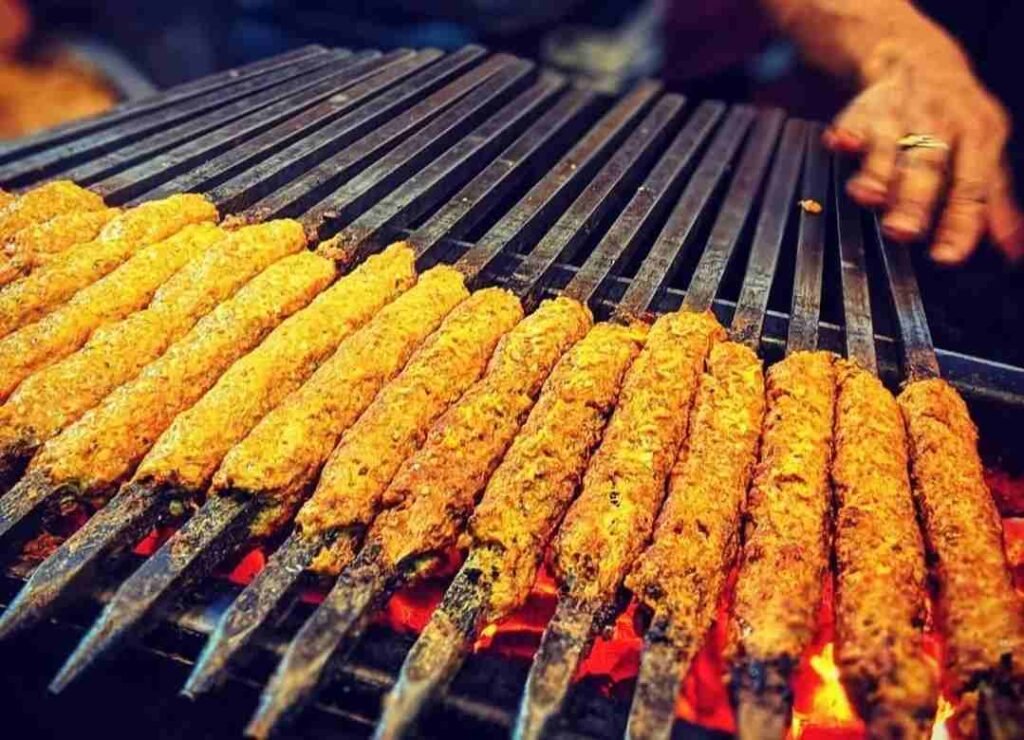
- Seekh kebabs – soft minced meat skewers
- Galouti-style melt-in-mouth versions
- Boti kebabs with smoky flavors
- Shami kebabs enriched with herbs and lentils
The lanes of Old Delhi remain a pilgrimage site for kebab lovers, especially around Jama Masjid.
Butter Chicken (Murgh Makhani)
While not Mughal in origin, butter chicken is inseparable from Delhi’s culinary identity. Born in the historic Moti Mahal restaurant in Daryaganj, this dish was invented as a way to reuse leftover tandoori chicken by simmering it in a tomato-butter-cream sauce. It quickly became a global icon, Delhi’s gift to the world, combining smoky tandoori flavors with creamy indulgence.
Agra – Beyond the Taj Mahal: A Feast for the Senses
Agra’s culinary heritage is as grand and layered as its monuments. While the Taj Mahal stands as the city’s most breathtaking symbol of love, Agra’s kitchens tell their own stories of harmony, innovation, and imperial indulgence. For centuries, Agra formed an important link in the Mughal royal route that connected Delhi, Fatehpur Sikri, and Lahore, a corridor along which emperors traveled with massive retinues, royal chefs, spice caravans, and master artisans of food.
During the reign of Emperor Akbar, Agra’s kitchens blossomed into a vibrant centre of gastronomic experimentation. Akbar was known for his inclusive philosophy, and his court became a melting pot of Persian, Central Asian, Rajput, and local Braj culinary traditions. He appointed both Hindu vaids (traditional health experts) and Muslim khansamas (royal chefs) in the palace kitchens, encouraging them to collaborate. The result was a syncretic cuisine that blended delicate Persian aromas with robust Indian spices, creating dishes that were at once regal, soulful, and deeply symbolic.
Historic Significance of Agra’s Culinary Evolution
Akbar’s Culinary Innovation
Akbar’s taste for experimentation laid the foundation for what we now recognize as classic Mughlai cuisine. His kitchens were laboratories of flavor:
- Hindu cooks introduced ghee-based preparations, vegetarian innovations, lentil delicacies, and dairy-rich dishes like paneer and khichdi.
- Muslim cooks contributed slow-cooked meats, fragrant rice pilafs, kebabs, and dishes flavored with saffron, rose water, and dry fruits.
- Akbar often instructed cooks to reduce the heat of Indian spices or refine the texture of heavy dishes, resulting in silky gravies, aromatic blends, and a balanced flavor profile that became iconic across North India.
Many recipes from this era, such as navratan korma, murgh musallam, biryanis, and paneer-based royal delights began in the imperial kitchens of Agra and Fatehpur Sikri.
The Story of Petha
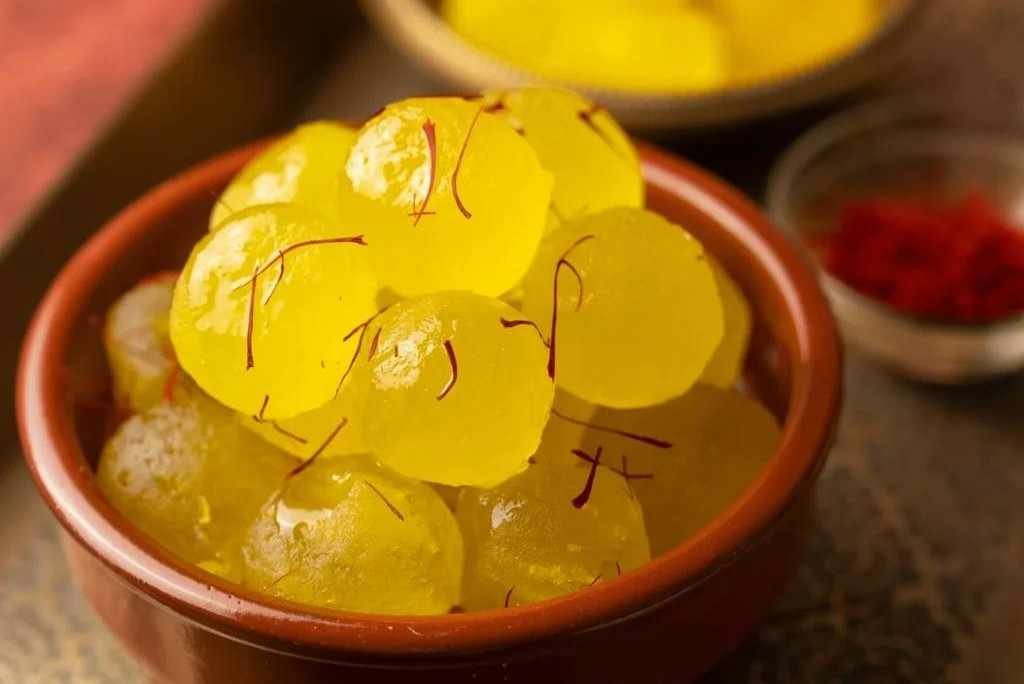
Agra’s famous petha, a translucent sweet made from ash gourd, holds deep Mughal roots.
Legend says that during the construction of the Taj Mahal, Shah Jahan ordered his royal kitchen to create a refreshing, energy-boosting sweet for the laborers who worked tirelessly under the harsh sun. The result was petha, infused with sugar syrup, light, hydrating, and soothing. Over centuries, this humble sweet evolved into countless variations:
- Kesar Petha (saffron-infused)
- Angoori Petha (bite-sized pearl-like pieces)
- Chocolate Petha (a modern twist)
- Khatta Meetha Petha (a sweet-tangy combination)
Today, petha is synonymous with Agra’s identity, a culinary keepsake cherished by travelers from across the globe.
Rajasthan – The Desert’s Royal Feast
Rajasthan is a land where harsh landscapes shaped heroic traditions, and those traditions shaped a cuisine unlike any other in India. The state’s food is a living chronicle of its desert heritage, a cuisine forged in scarcity, elevated by royal artistry, and preserved through centuries of warrior culture and princely hospitality.
The Food of Warriors and Kings
Rajasthan’s cuisine emerged from the realities of its geography. In a region where fertile land and fresh vegetables were limited, the people devised dishes that were nutrient-rich, long-lasting, and able to withstand desert conditions. Dried lentils, gram flour, clarified butter (ghee), and robust powdered spices became the foundation of daily cooking. But Rajasthan was also home to the mighty Rajput clans, warrior rulers admired for their courage, honor, and splendid lifestyle.Their royal kitchens transformed hardy desert ingredients into regal delicacies, combining practicality with the grandeur befitting a king’s table.Thus, Rajasthani food is a rare blend of:
- Survival ingenuity
- Warrior sustenance
- Royal sophistication
Historic Highlights: Rajasthan’s Signature Dishes
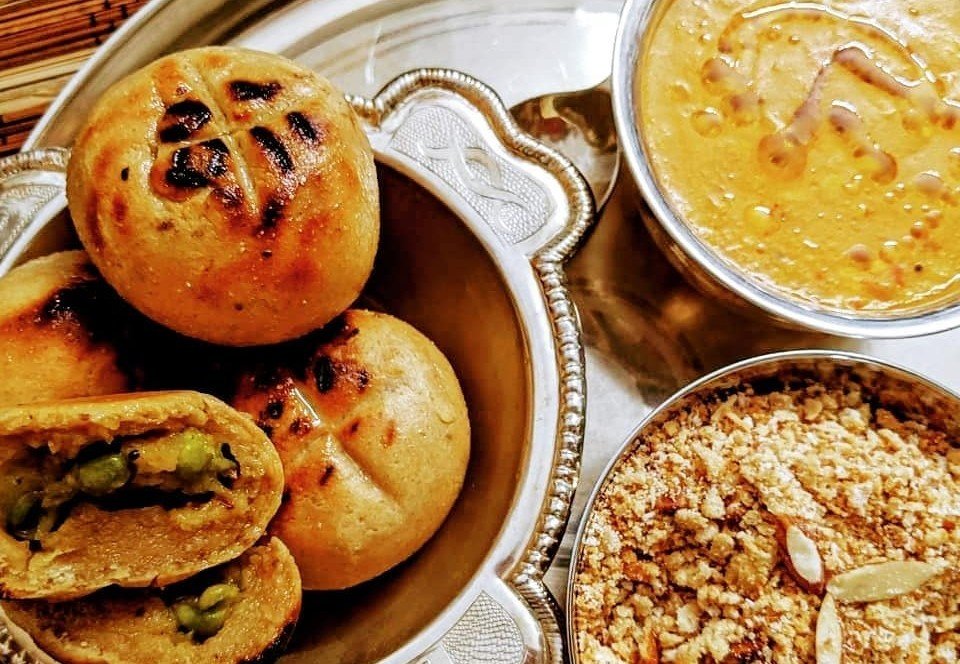
Dal Baati Churma
A dish that embodies Rajput grit. During long military campaigns, Rajput soldiers would:
- Bury baati dough in hot sand
- Let desert winds and embers bake it naturally
- Pair it with a simple dal (lentils) cooked over a slow fire
Later, churma, a sweet mixture of crushed baati, ghee, and sugar, completed the trio. What began as battlefield food evolved into a beloved ceremonial meal. Today, it’s a symbol of Rajasthani hospitality and heritage.
Laal Maas
Perhaps Rajasthan’s most iconic non-vegetarian dish. Born in the royal hunting camps of the Rajput kings, Laal Maas (literally “red meat”) is:
- A fiery mutton curry
- Cooked with Mathania red chilies
- Smothered in smoky ghee
- Slow-braised until the meat falls off the bone
Originally, it was designed to mask the gamey flavor of hunted meat. Today, it’s a luxurious favorite at palace hotels, often served with millet rotis and spiced buttermilk.
Gatte ki Subzi
An ingenious vegetarian masterpiece. In a region where fresh vegetables were rare, Rajasthani cooks developed:
- Gatte, gram flour (besan) dumplings
- Rolled, steamed, sliced
- Simmered in a yogurt-based curry enriched with spices
The dish is earthy yet sophisticated, proof of how the desert inspired creativity in the kitchen.
Cultural Connection: Food, Rituals & Royal Hospitality
Rajasthani cuisine is deeply intertwined with its ceremonial culture. From princely courts to modern heritage hotels, the hospitality ethos has remained unchanged: guests are treated as gods.
Royal Dining Traditions
Historically, meals in Rajput palaces were elaborate affairs:
- Silver or gold-plated thalis
- Courtyard feasts illuminated by lamps
- Music and dance performances during royal banquets
- Multi-course meals featuring everything from sweets like Ghewar and Malpua to game meats and lentil delicacies
Ceremonial dining showcased not only culinary excellence but also the kingdom’s prosperity and warmth.
Varanasi – The Sacred Kitchen of India
Varanasi, often called Kashi, the City of Light, is one of the world’s oldest continuously inhabited cities, a place where life, death, and rebirth unfold side by side along the ghats of the Ganges. In this ancient spiritual capital, cuisine is not merely food; it is an offering, a ritual, and an expression of divine gratitude. Every meal reflects centuries of devotion, shaped by pilgrims, sages, scholars, artisans, and royal patrons who have passed through this sacred city. Banarasi cuisine is deeply linked to purity and spiritual discipline, often following Satvik principles that avoid onion, garlic, and overpowering spices. Yet simplicity never limits flavor here. Instead, the food achieves a delicate harmony through the use of fresh ghee, hing, native lentils, seasonal produce, carefully ground spices, and a wide variety of milk-based sweets. Cooking becomes a meditative art, and eating transforms into a quiet act of spiritual alignment.
For thousands of years, Varanasi’s position on the banks of the Ganges made it a magnet for pilgrims, monks, scholars, merchants, and noble families. The constant movement of people from across India and far beyond created a unique culinary crossroads where recipes were exchanged, enriched, adapted, and sanctified. Over centuries, this interaction produced a cuisine that prioritised nourishment, purity, and healing over indulgence, giving Varanasi a distinctive culinary identity rooted in spirituality.
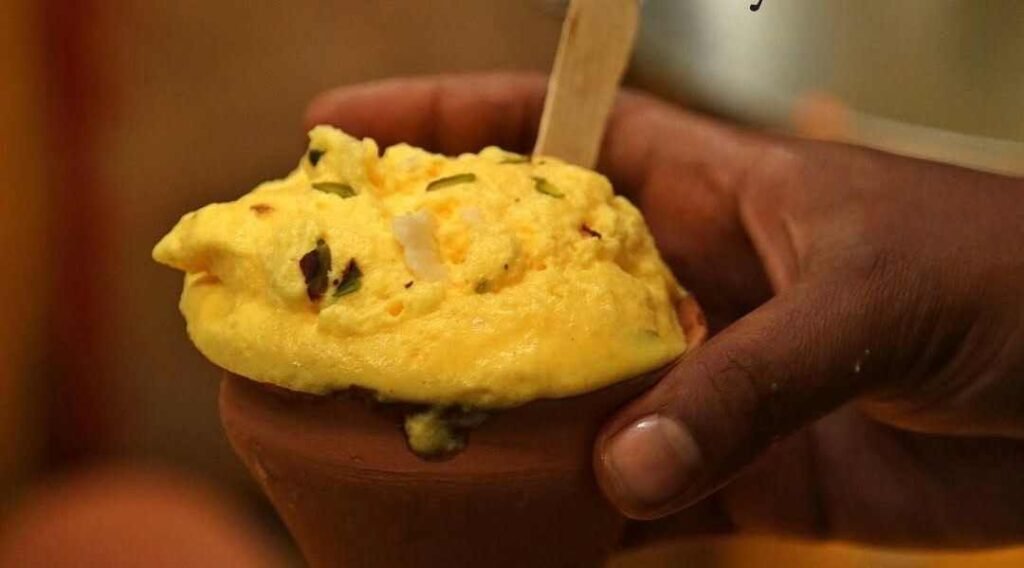
This heritage is beautifully captured in iconic dishes. Kachori Sabzi, a beloved breakfast linked to the Nawabs of Banaras, remains one of the city’s most cherished morning traditions. Freshly stuffed lentil kachoris and a fragrant potato-tomato sabzi are still cooked at dawn in large iron kadhais, their aroma filling the narrow lanes where priests, pilgrims, students, and vendors begin their day. In winter, Varanasi becomes home to one of India’s rarest delicacies Malaiyyo, or Nimish, a cloud-like dessert made from dew-cooled milk left on rooftops overnight. Before sunrise, artisans gently whip the chilled milk into a light froth scented with saffron and cardamom, creating a dessert so delicate that it collapses within minutes. This ancient technique, preserved through generations, makes Malaiyyo not just a sweet but an edible piece of poetry. Another timeless symbol of the city is the famed Banarasi Paan. Introduced during the Mughal era but perfected in Varanasi, it blends betel leaf with gulkand, fennel, clove, and sweetened condiments, becoming both a cultural ritual and a gesture of hospitality. To enjoy a Banarasi Paan after a meal is to experience a tradition that has been cherished for centuries.
At the heart of Varanasi’s culinary philosophy lies an uncompromising commitment to purity and devotion. Meals are prepared with mindfulness, ritual cleanliness, and gratitude, resulting in cuisine that feels soulful, gentle on the body, and spiritually uplifting. Even the simplest dishes from aloo-tamatar sabzi and lotus stem curry to litti-chokha and thick, sweetened lassi carry the rhythm of ancient traditions and reflect the city’s belief that food is a bridge between earthly life and the divine. In Varanasi, taste, history, and spirituality come together in every bite, making the city’s cuisine as eternal and sacred as the Ganges itself.
Kerala – The Cradle of Spices and Ayurvedic Balance (Point-Wise with Rich Food Stories)
Kerala’s Ancient Spice Route Origins
Kerala’s culinary history began as early as 3000 BCE, when the region became the center of the global spice trade. From the port of Muziris, ships carried black pepper, cinnamon, and cardamom to Arabia, Greece, and Rome. Roman texts even mention that Kerala’s pepper was worth its weight in gold. This early international fascination created a cuisine where bold spices were balanced with gentle coconut, giving Kerala food its signature harmony.
A Melting Pot of Global Influences
Kerala’s food culture evolved through centuries of contact with foreign traders and settlers. Arabs introduced biryanis, soft pathiris, and halwas that blended beautifully with local ingredients. Portuguese colonists brought chilies, tomatoes, cashews, and tapioca, reshaping the foundation of many Kerala curries. Jewish communities added Sabbath stews and unique pickling traditions, while Syrian Christians crafted stews, duck roasts, and coconut-rich gravies. Each group left a permanent mark on Kerala’s culinary identity.
Iconic Dishes with Deep Stories
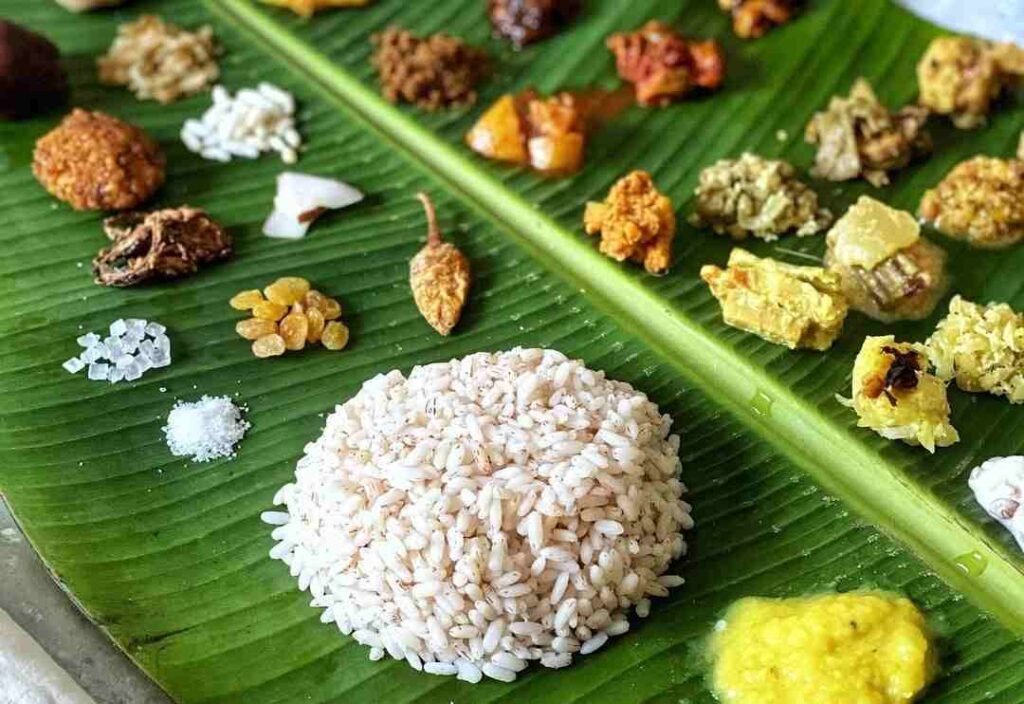
Many famous Kerala dishes are rooted in history and legend. Kerala Sadya, a vegetarian feast served on banana leaves, dates back over 2,000 years and is central to festivals like Onam. Each dish in the Sadya has symbolic meaning, from purity to prosperity. Karimeen Pollichathu originated with backwater fishermen who cooked fresh pearl-spot fish inside banana leaves over open flames, a method unchanged for generations. Fish Moilee, with its mild coconut gravy, is believed to have evolved when Portuguese families adapted their European fish stew to Kerala’s ingredients. Appam with Stew, once reserved for Christian celebrations, became one of Kerala’s most beloved comfort foods.
Ayurveda’s Influence on Kerala Cooking
Kerala’s cuisine is deeply shaped by Ayurveda, the ancient Indian system of healing. Every meal seeks balance. Spices such as turmeric, ginger, cumin, fenugreek, and black pepper are chosen not only for flavor but for their medicinal qualities. Coconut oil is used thoughtfully to nourish, not overwhelm. Tamarind and buttermilk cool the body in the tropical climate, while slow-cooking techniques preserve nutrients. Even everyday snacks like banana chips follow Ayurvedic principles of natural fats and minimal processing.
A Cuisine Connected to Land, Tradition, and Harmony
The soul of Kerala’s food lies in its balance, rich yet gentle, flavorful yet soothing. Its dishes reflect the rhythm of the land: the spice gardens of the Western Ghats, the coconut groves along the coast, the backwaters where fish is caught fresh, and the monsoon-fed farms growing rice and vegetables. Whether in temple feasts, Christian homes, backwater shacks, or traditional Brahmin households, Kerala’s cuisine celebrates nourishment, heritage, and the joy of sharing. It is a culinary tradition shaped by the ocean, enriched by global influences, and guided by ancient wisdom.
Goa – A Portuguese Paradise with an Indian Soul
Goa’s cuisine is one of the world’s most fascinating culinary fusions, a vibrant meeting point of European techniques, Indian spices, coastal abundance, and centuries of cultural exchange. For nearly 450 years, Portuguese rule reshaped the region’s palate, introducing not only new ingredients such as vinegar, pork, and chilies, but also entirely new ways of cooking, preserving, and pairing flavors. Modern Goan cuisine is the result of this extraordinary dialogue between two worlds, where traditional coastal food merged with Iberian influences to create something bold, soulful, and unmistakably Goan.
Historical Transformation of Goan Cuisine
Before the arrival of the Portuguese in the early 16th century, Goan food was rooted in its coastline, simple, nourishing, and shaped by the triad of rice, coconut, and fresh fish. Communities used coconut milk for curries, toddy for fermentation, and spices like pepper and coriander in restrained ways. But everything changed when the Portuguese arrived. They introduced chili peppers (which India had never seen before), replacing black pepper as the primary heat source in many curries. They brought pork, vinegar, bread-making techniques, cashews, tomatoes, potatoes, and refined sugar, transforming Goan kitchens forever.
Over time, Goans developed their own culinary identity, one that retained the soul of their coastal heritage while embracing Portuguese-style marinades, slow-cooking techniques, and Catholic celebratory traditions. Vinegar replaced tamarind in many recipes. Meat preservation methods arrived from Europe. Coconut met garlic, wine met garam masala, and the result was a cuisine unlike anything else in India.
Iconic Goan Dishes with Deep History
Vindaloo
One of India’s most famous dishes, vindaloo traces its roots to the Portuguese dish carne de vinha d’alhos, meat marinated in garlic and wine. Goans replaced wine with palm vinegar, added chilies (also introduced by the Portuguese), and infused it with local spices. Over centuries, vindaloo evolved into a fiery, tangy, aromatic masterpiece, traditionally made with pork and cooked for hours until the flavors deepen beautifully.
Food Story:
Old Goan families still prepare vindaloo days before special occasions, because the dish tastes better as it matures, a culinary habit inherited from European preservation methods.
Xacuti
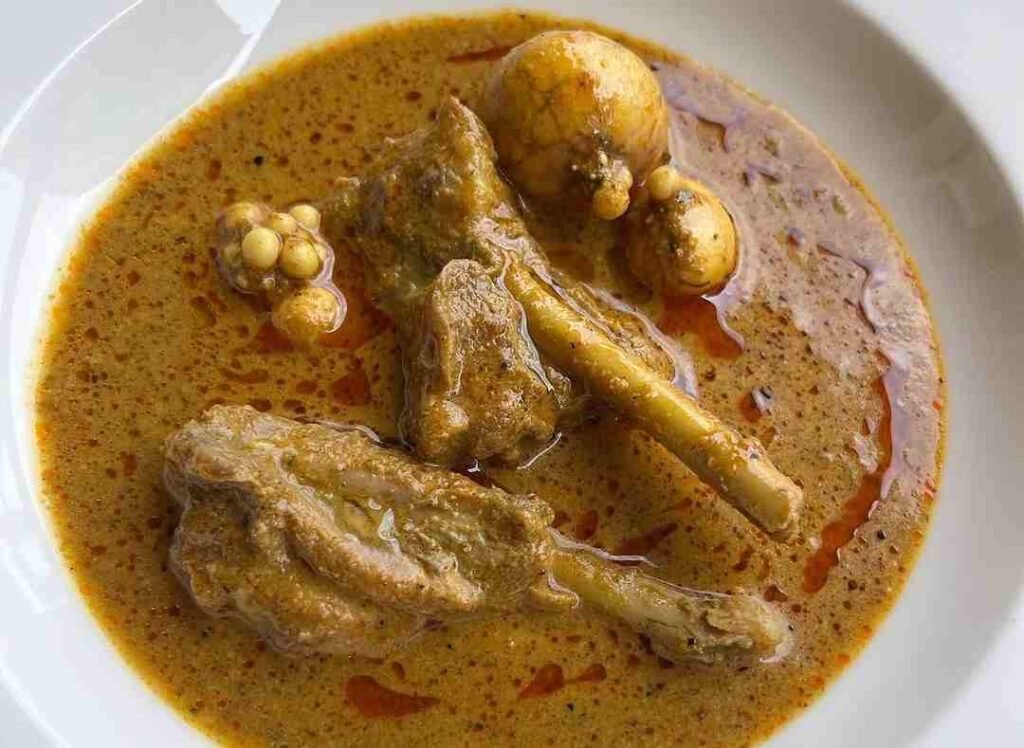
Xacuti is a rich, complex curry believed to be influenced by Southeast Asian traders who visited Goa’s shores. It combines roasted coconut, white poppy seeds, Kashmiri chilies, and a blend of more than a dozen spices. The technique of slow-roasting grated coconut until nutty and brown is a hallmark of Goan Catholic cooking and adds depth unmatched in other coastal cuisines.
Bebinca
Often called the “Queen of Goan desserts,” bebinca is a traditional layered pudding made of coconut milk, egg yolks, flour, and ghee. Its origins lie in Portuguese convent sweets, where nuns used leftover egg yolks to create desserts. Goan kitchens adopted the technique and crafted their own interpretation, a slow-baked, multi-layered indulgence that requires skill, patience, and artistry.
Goa Today – A Coastal Luxury Haven
Modern Goa celebrates this unique heritage with pride. Beach shacks, heritage homes, and fine-dining restaurants all carry forward centuries-old recipes with elegance. Chefs pair seafood with local feni, Goan port wine, or globally inspired cocktails. Dishes like prawn balchão, sorpotel, recheado masala, and Goan sausages appear in both rustic kitchens and gourmet menus, a testament to a cuisine that has embraced evolution without losing authenticity.
The essence of Goan cuisine lies in its balance, the sweetness of coconut, the tang of toddy vinegar, the fire of red chilies, and the comfort of coastal simplicity. It is food shaped by ocean winds, Portuguese history, and Indian heart, a living reminder that when cultures meet, their flavors create stories that last forever.
Kolkata – The Cultural and Colonial Kitchen
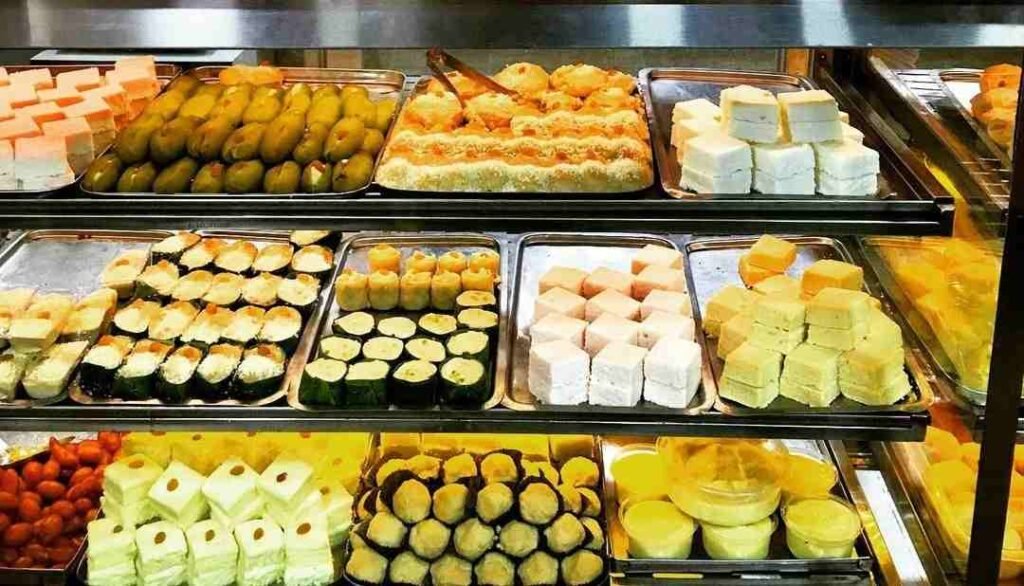
A City of Sweet Heritage and Culinary Revolution
Kolkata (formerly Calcutta) is a city where culinary tradition, colonial influence, and artistic creativity blend seamlessly. In the 18th and 19th centuries, as British India’s capital, Kolkata became a crossroads of global cultures, from British officials and Armenian traders to Chinese settlers and Nawabi families from Awadh. Each group brought its own ingredients, cooking techniques, and lifestyle rituals, enriching the Bengali kitchen with depth and diversity.
Historical Influences That Shaped Kolkata’s Cuisine
British Influence
The British introduced Kolkata to puddings, cakes, roasts, and tea-time snacks. The iconic Kolkata cutlet, made with minced meat coated in breadcrumbs, evolved from British chops and croquettes. The culture of afternoon tea, bakery streets, fruitcakes during Christmas, and Anglo-Indian dishes like mulligatawny soup still echo this era.
Chinese Immigrants
Kolkata is the only Indian city with an old, original Chinatown, settled in the 18th century. Chinese communities introduced soy sauce, fermented pastes, noodles, and stir-frying techniques. This led to the creation of Indo-Chinese cuisine, with iconic dishes like Hakka noodles, chili chicken, sweet corn soup, and American chopsuey, all born in Kolkata before spreading across India.
Bengali Aristocracy & Nawabi Legacy
Bengali zamindar families refined the art of slow cooking, mustard-based curries, and elaborate sweet-making. After the fall of Awadh, many Lucknowi cooks arrived in Kolkata, blending Nawabi richness with Bengali subtlety influencing dishes like Kosha Mangsho and Rezala.
Iconic Foods with Deep Roots
Rasgulla
One of India’s most beloved sweets, Rasgulla was perfected in the mid-19th century by Nobin Chandra Das, who used chhena (cottage cheese) in innovative ways. His creation became a symbol of Kolkata’s culinary genius and eventually one of the most famous sweets worldwide.
Kosha Mangsho
This rich, slow-cooked mutton curry emerged from colonial-era Bengali households. Influenced by Mughal techniques but flavored with mustard oil, garam masala, and caramelized onions, Kosha Mangsho became a festive staple and a Sunday tradition for countless families.
Bengali Fish Curry
From the banks of the Ganges to the kitchens of Bengal’s aristocracy, fish has always been central to Bengali life. Whether it is ilish in mustard gravy, rui kalia, or chingri malai curry, fish dishes reflect ancient river-based livelihoods and a culture where food is poetry.
Culinary Culture Today – A Feast of Festivals and Flavors
Kolkata’s modern cuisine is a vibrant blend of its historical layers. During Durga Puja, the city transforms into a culinary carnival, where traditional bhog (khichuri, labra, payesh) meets street food like kathi rolls, puchka, ghugni, and Mughlai parathas. Heritage restaurants serve recipes preserved for centuries, while new-age cafés reinterpret Bengali classics with global finesse.
Kolkata’s food is not just a meal, it is nostalgia, emotion, and artistry served on a plate. It celebrates sweetness, storytelling, and the warmth of a city that has always welcomed the world into its kitchen.
Mumbai – The Global Melting Pot
A City Where Every Migration Left a Flavor
Mumbai’s culinary identity mirrors its dynamic history, a colonial port that became India’s financial capital and one of the world’s great cultural crossroads. Over centuries, communities from Gujarat, Maharashtra, Iran, Goa, coastal Karnataka, and even East Africa settled here, each bringing their own ingredients, cooking traditions, and food rituals. The result is a vibrant cuisine that moves effortlessly from street-side stalls to colonial-era cafés and award-winning fine-dining restaurants.
Mumbai’s Culinary Evolution Through History
Colonial Influence and Immigrant Cultures
Mumbai was shaped by British rule, Parsi settlers, Jewish families, and merchants from across the Arabian Sea.
- Irani cafés, established by Zoroastrian immigrants, introduced bun maska, chai, berry pulao, patties, and caramel custard foods that became symbols of Mumbai’s nostalgic charm.
- Parsi bakeries added mawa cakes, khari biscuits, and sweet buns to everyday life.
- Gujarati traders brought vibrant thalis, farsan, and vegetarian delicacies.
- Maharashtrian communities shaped the city’s snack culture, vada pav, misal, sabudana khichdi, and bhakarwadi.
Every community added a new layer to Mumbai’s bustling food map.
Koli Influence — The Original Cuisine of Mumbai
Long before colonial rulers or industrial workers shaped the city, it was the Koli community Mumbai’s original fisherfolk, who developed its earliest food culture. Their fresh-catch recipes, coconut-based curries, and sun-dried fish traditions still define Mumbai’s coastal soul.
Historic Dishes That Tell Mumbai’s Story
Bombil Fry (Bombay Duck Fry)
A classic Koli delicacy, Bombil Fry features soft, buttery fish marinated in spices, coated in semolina, and shallow-fried until crisp. This dish connects Mumbai to its fishing villages, a reminder that beneath the skyscrapers lies a coastal heritage thousands of years old.
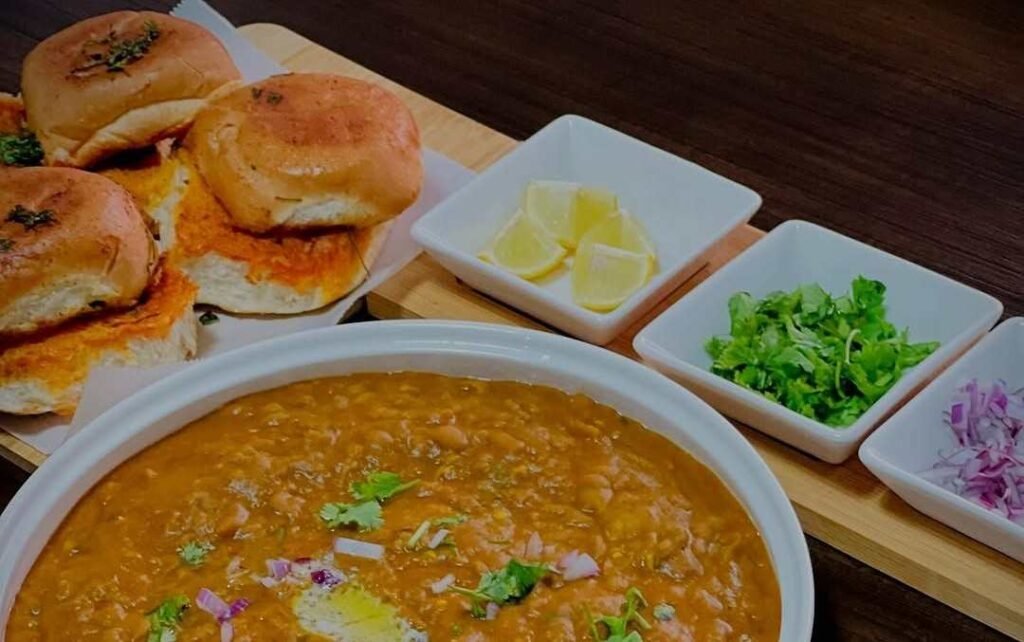
Pav Bhaji
Mumbai’s most iconic street food began in the 1850s during the textile mill era. Workers needed a quick, filling lunch that could be eaten between shifts. Vendors created a mashed vegetable curry cooked in butter and served with pav, a Portuguese-influenced bread adopted by Mumbai bakeries.Today, pav bhaji is a city-wide ritual, eaten at night markets, family outings, and luxury restaurants alike.
Bun Maska & Cutting Chai
Iranian immigrants introduced the combination of soft bun, thick smear of butter, and hot tea. Soon, it became a symbol of everyday Mumbai, writers, dock workers, office-goers, and students still gather at Irani cafés for bun maska and “cutting chai,” a half-glass of strong tea that fuels the city’s relentless pace.
Modern Mumbai – Where Tradition Meets Global Innovation
Today, Mumbai is at the forefront of India’s culinary reinvention. Its fine-dining restaurants, many led by globally trained chefs, reinterpret Indian flavors with modern techniques, seasonal produce, and artistic presentation. Michelin-starred influences meet coastal nostalgia; traditional street foods appear as gourmet tasting-menu bites. From Colaba’s historic cafés to Bandra’s chic bistros and Worli’s skyline restaurants, Mumbai blends old-world charm with world-class sophistication. Mumbai’s food culture is a celebration of diversity, ambition, and constant reinvention, just like the city itself.
Lucknow – The Nawabi Art of Slow-Cooked Elegance
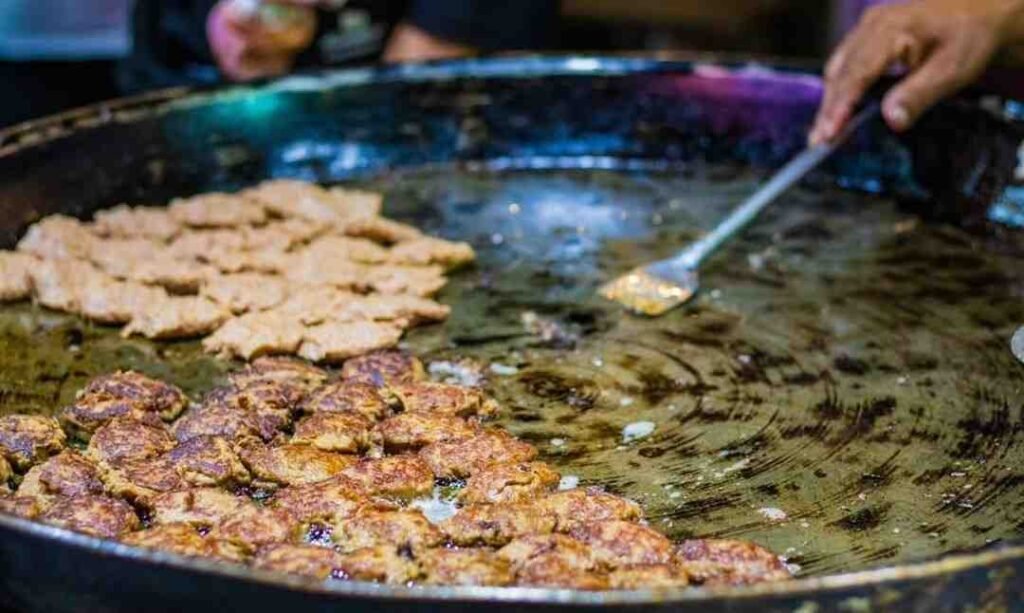
Lucknow, the shimmering heart of Awadhi cuisine, is where food transforms into poetry. The city’s culinary heritage blossomed under the Nawabs of Awadh, whose royal courts in the 18th and 19th centuries elevated dining into an art form. Here, cooking wasn’t hurried, it was meditative, patient, and precise. The technique of dum pukht, a slow-cooking method where dishes simmer in sealed pots over gentle heat, was perfected in Lucknow, giving birth to flavors that are delicate, aromatic, and deeply nuanced.
The city’s streets and kitchens still echo with the legacy of royal khansamas who guarded secret spice blends and techniques like prized jewels. Their creations, silky kebabs, fragrant biryanis, and velvety gravies reflect refinement rather than intensity. The legendary Galouti Kebab, for instance, was crafted for a toothless Nawab who loved kebabs too much to give them up. Its melt-in-the-mouth texture and saffron-infused aroma remain symbols of Lucknow’s culinary genius. The Awadhi Biryani, lighter and more perfumed than its Hyderabadi counterpart, uses milk, saffron, and tender meat layered with perfectly cooked rice, creating a dish that feels regal yet comforting.
Even humble dishes like nihari, roomali roti, and sheermal carry traces of Persian, Mughal, and Central Asian influences, woven seamlessly into the city’s identity. Today, Lucknow continues to be India’s capital of refined gastronomy, where every bite whispers stories of poets, nawabs, and centuries-old kitchen traditions preserved with devotion. For a luxury traveler, dining in Lucknow is not just a meal; it is an immersion into the elegance of a bygone era.
Hyderabad – The Royal Fusion of Deccan Flavors
Hyderabad stands as one of India’s greatest culinary capitals, a city where Turkic, Mughal, Persian, and South Indian cultures merged to create a food tradition that is bold, aromatic, and unmistakably royal. Founded by the Qutb Shahi dynasty and later ruled by the Nizams, Hyderabad’s royal courts attracted chefs from across Central Asia and Persia, who infused local Deccan ingredients with their own sophisticated techniques.
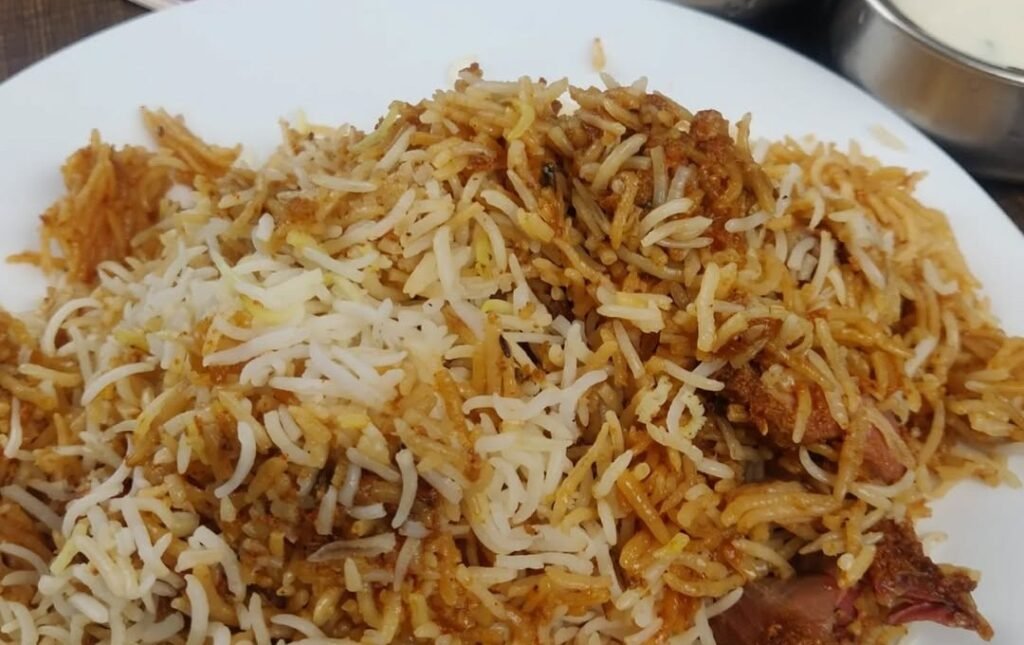
The crown jewel of Hyderabadi cuisine is undeniably its biryani, layered with saffron, caramelized onions, mint, and marinated meat cooked using the dum method. Unlike the subtle Awadhi biryani of Lucknow, the Hyderabadi version bursts with robust spices and dramatic aromas, symbolizing the city’s cosmopolitan heart. Other iconic dishes such as haleem, introduced by Arab settlers, have become synonymous with Ramadan in Hyderabad. The dish is slow-cooked for hours, blending meat, lentils, wheat, and spices into a silky, comforting paste that reflects the city’s deep Middle Eastern roots.
Hyderabad’s culinary landscape also celebrates everyday flavors elevated through royal finesse: pathar ka gosht grilled on hot stone slabs, the rich qurbani ka meetha made from apricots, and the famous mirchi ka salan, a tangy curry that perfectly complements biryani. Even chai in Hyderabad tells a story, the city’s Iranian cafés still serve Irani tea with Osmania biscuits, a colonial-era pairing cherished by locals.
Today’s Hyderabad continues this legacy through heritage restaurants and modern fine-dining spaces that reinterpret Nizami dishes for the contemporary palate. For luxury travelers, the city offers not only unforgettable meals but an invitation into a world where tradition, royal grandeur, and multicultural influences meet on a single plate.
The Evolution of Indian Fine Dining (Paragraph Version)
Indian fine dining is experiencing a remarkable renaissance. Once known globally only through simplified curries and familiar dishes, Indian cuisine is now being reimagined as a sophisticated culinary art form. Chefs across the country, and around the world are blending deep-rooted traditions with modern innovation, transforming ancient recipes into contemporary masterpieces. This evolution celebrates India’s extraordinary regional diversity while presenting flavors with refined technique, artistic presentation, and a renewed sense of storytelling.
A significant part of this transformation lies in the revival of forgotten dishes and cooking traditions. Chefs are diving into temple kitchens, royal archives, and regional households to rediscover age-old recipes that had nearly vanished. Himalayan grains like jhingora, tribal techniques such as cooking in bamboo, slow-roasted Awadhi kebabs, and rustic Rajasthani stews are being revived and elevated into haute cuisine. The focus has shifted from presenting “Indian food” as a single category to highlighting hyper-regional identities, from Garhwal to Chettinad, from the riverine cuisine of Bengal to the smoky grills of the Northeast. Each dish is designed to share the story of its land, its people, and its ancient culinary wisdom.
Modern Indian fine dining also embraces innovative formats and techniques. Traditional thalis, once served as all-in-one meals, are now being reinterpreted as multi-course tasting menus, with each dish presented individually to highlight textures, colors, and seasonal ingredients. At the same time, sustainability movements have inspired chefs to foreground millets and indigenous grains, transforming them into gourmet risottos, artisanal pastas, and delicate baked breads. These ingredients, once considered humble, now represent India’s future of conscious dining and its ancestral traditions of nourishment.
Contemporary techniques further enhance this evolution. Sous-vide cooking refines the texture of kebabs, fermentation deepens the flavor of coastal curries, and smoke infusions honour Mughal culinary heritage. Spices are used with greater precision, often dehydrated or cold-pressed to preserve their natural aroma. This marriage of age-old Indian flavors with global gastronomy has created a distinct, modern identity, one that is unmistakably Indian yet boldly innovative.
Desserts, too, have undergone a luxurious transformation. Traditional mithai has stepped into the world of haute patisserie, with chefs reimagining sweets like gulab jamun as molten-centre spheres, rasgulla as airy cloud-like creations, and gajak as delicate pistachio brittles. Saffron, cardamom, and rose, the pillars of Indian dessert culture, now pair with French techniques such as mille-feuille, entremets, and choux pastries, creating elegant fusions that appeal to both tradition lovers and global connoisseurs.
Another defining feature of India’s fine dining movement is its commitment to sustainability and ethical sourcing. Many modern restaurants now work with local farmers, practice zero-waste cooking, and prioritize seasonal produce, echoing India’s ancient agrarian wisdom. The focus is not only on taste, but on building a responsible food ecosystem that honours soil, season, and community.
Indian chefs are also playing a defining role globally, earning Michelin stars and leading internationally acclaimed kitchens. Their menus introduce refined regional dishes to cities like London, New York, Dubai, and Singapore, reshaping how the world perceives Indian cuisine. What was once seen as hearty comfort food is now celebrated as a sophisticated, layered culinary tradition worthy of global acclaim.
In many ways, today’s Indian fine dining is not just about food. It is a cultural narrative, a connection between the past and the future, a celebration of India’s extraordinary culinary soul. Rooted in authenticity yet shaped by innovation, it captures the essence of a country where every spice has a story, every dish has a lineage, and every meal is an invitation to explore a vibrant, evolving heritage.
Food as Living Culture – Festivals, Faith & Family (Point-Wise Version)
Diwali – The Festival of Lights & Sweets
During Diwali, kitchens across India come alive with traditional sweets such as laddus, barfis, and pedas. These delicacies symbolize prosperity, purity, and the victory of good over evil. Every sweet has a meaning, and offering them to guests is considered auspicious.
Eid – Feasts of Gratitude & Community
Eid brings together families and neighbors through lavish meals. Aromatic biryanis, kebabs, nihari, and desserts like seviyan reflect generosity and togetherness. Food becomes a medium of gratitude, shared with both loved ones and the less fortunate.
Onam – Kerala’s Grand Sadya
Onam is incomplete without the magnificent Sadya, a traditional vegetarian feast of over twenty-four dishes served on a banana leaf. It represents harvest abundance, harmony, and the unity of Kerala’s diverse communities.
Holi – Colors, Joy & Sweet Indulgence
Holi’s celebratory spirit is mirrored in its festive food. Gujiyas filled with khoya and nuts, alongside chilled thandai flavored with saffron and spices, capture the playful, colorful essence of India’s spring festival.
Durga Puja – Bengal’s Culinary Extravaganza
Kolkata’s Durga Puja blends devotion with gastronomy. From bhog (sacred offerings) of khichuri and labra to elaborate Bengali meals, the festival turns the city into a vibrant foodscape where street vendors and fine-dining traditions coexist.
Food as a Bridge Between Divine & Human
Across India, festival foods are more than recipes, they are rituals. Preparing them involves purity, gratitude, and a sense of community, turning kitchens into sacred spaces that honor deities, ancestors, and tradition.
A Living Cultural Heritage
Through festivals, food becomes a living expression of India’s evolving culture. Each celebration preserves ancient culinary customs while bringing families together, proving that in India, every festival is ultimately a feast for the senses and the soul.
Conclusion: Taste the Timeline of a Civilization
To eat in India is to journey through more than 5,000 years of human history, a sensory passage where every bite carries the legacy of empires, trade routes, spiritual traditions, and regional identities. From the opulent banquets of Mughal courts to the spice-laden kitchens of Kerala, from the soulful temple offerings of Varanasi to the Portuguese-kissed flavors of Goa, Indian cuisine is a living museum of stories and influences. Today, Michelin-style restaurants reinterpret these ancient recipes with modern elegance, proving that India’s culinary evolution is both timeless and ever-new. A Luxury Culinary Tour of India is not merely about tasting exquisite dishes; it is an act of discovery. Each meal becomes a chapter in the unfolding narrative of a civilization that taught the world the meaning of flavor, hospitality, and cultural richness. In India, food is not just something to eat, it is something to experience, celebrate, and remember.