India rewards travelers who arrive prepared and disappears the moment they don’t. For first-time visitors used to a certain level of comfort and service, the single biggest factor in how a trip to India feels, exhilarating versus exhausting, is the quality of the tour behind it. This guide is a complete, practical resource for planning the best luxury tours in India for first-time visitors: where to go, when to go, what luxury actually means here, sample itineraries at different trip lengths, and how to choose an operator who can deliver all of it seamlessly.
Why First-Time Visitors Should Choose a Luxury Tour of India
India is enormous. It’s larger than all of Western Europe combined, home to 28 states with their own languages, cuisines, architecture, and customs, and it holds more UNESCO World Heritage Sites than almost any country on earth. That scale is a gift for travelers who love depth and diversity, and a genuine challenge for anyone navigating it without local expertise.
A luxury tour isn’t about indulgence for its own sake. For first-time visitors specifically, it solves three real problems:
Complexity. India’s transport systems, ticketing processes, and site logistics are not intuitive to outsiders. A private, professionally guided tour removes this friction entirely, so time is spent experiencing India rather than figuring out how to get around it.
Access. The most memorable moments in India, a private sunrise viewing of the Taj Mahal, a meal inside a working palace, a conversation with a master craftsman, are rarely available to travelers booking generic tours. They require relationships and planning that only established luxury operators have built over years.
Comfort and pacing. India can be intense: heat, crowds, sensory overload. A well-designed luxury itinerary paces the trip appropriately, mixes high-energy touring days with slower, more restorative stops, and ensures accommodation, food, and transport meet a consistently high standard throughout.
For a first trip especially, these three things – ease, access, and pacing, determine whether someone falls in love with India or comes home overwhelmed. The right luxury tour makes the former far more likely.
What Luxury Really Means on an India Tour
First-time visitors sometimes picture luxury travel in India as simply booking familiar five-star hotel brands. Those hotels exist and are excellent, but the most distinctive luxury experiences in India come from categories that have no real Western equivalent.
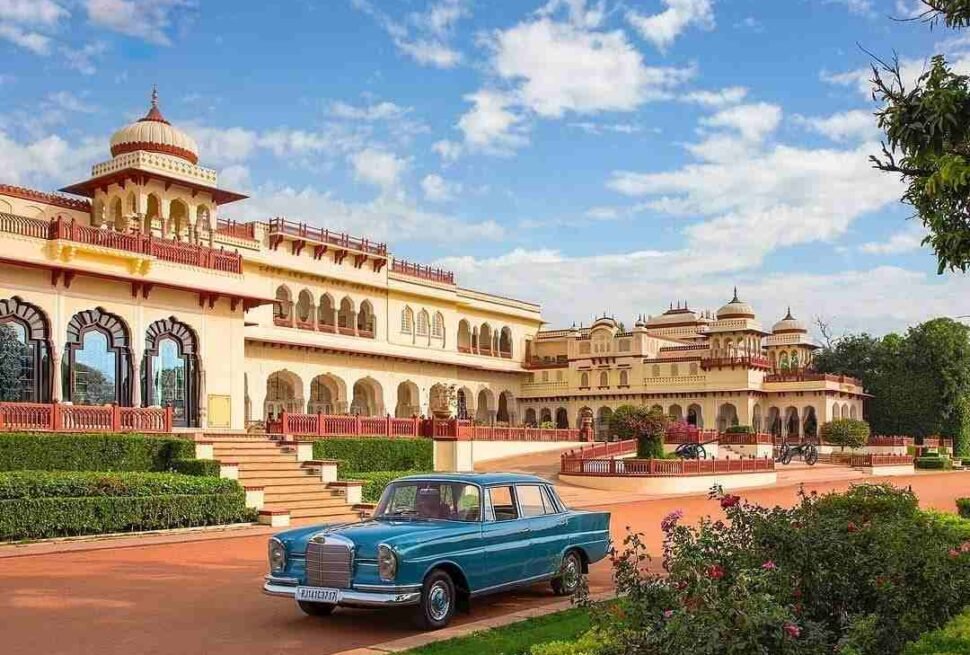
Palace hotels. Former royal residences across Rajasthan and beyond have been converted into hotels, some still connected to descendants of the ruling families that built them. Sleeping in a genuine 18th-century palace, surrounded by original architecture and art, is one of the defining experiences of luxury India travel.
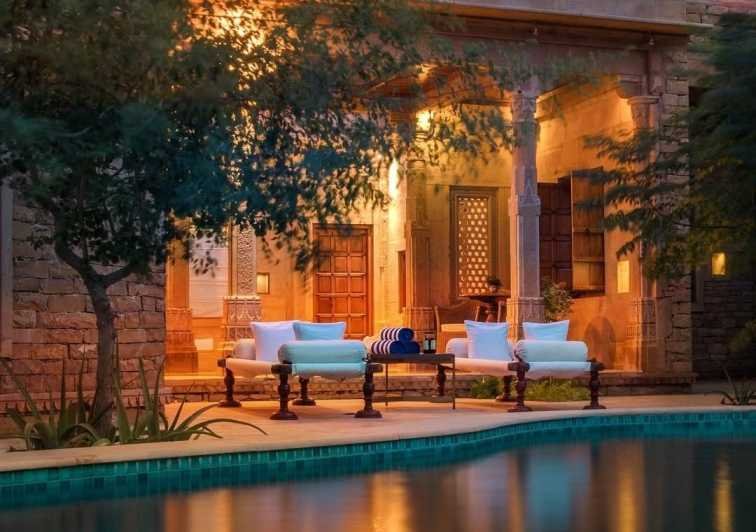
Heritage havelis and forts. Smaller restored mansions and hilltop forts offer intimate luxury, often under twenty rooms, with a level of atmosphere and personalized service that larger hotels can’t replicate.
Luxury wildlife lodges. Around India’s national parks, high-end lodges pair five-star comfort with serious naturalist expertise, particularly valuable for tiger safaris.
Private houseboats. In Kerala, luxury takes the form of beautifully appointed houseboats with a private chef, drifting through palm-fringed backwaters at a completely different pace from the rest of an India itinerary.
Modern five-star hotels. International and Indian luxury hotel groups anchor major cities with world class service, useful for balancing more immersive heritage stays.
The strongest itineraries mix these categories deliberately, rather than defaulting to one type of property throughout. A trip that moves between a modern city hotel, a heritage palace, and a wildlife lodge shows first-time visitors the full range of what luxury in India can be.
Hospitality. India has a deep cultural concept called Atithi Devo Bhava “the guest is God” and it shows up most clearly in how staff at genuine luxury properties, particularly family-run heritage hotels, treat guests. This isn’t scripted service; it’s warmth that often comes from families who have hosted travelers in the same building for generations. A good operator selects properties and guides specifically for this quality, not just star ratings.
Food. A luxury India tour should be as much a culinary journey as a sightseeing one. This means private dining inside palace courtyards, regionally authentic tasting menus that shift from Mughlai richness in the north to coconut-and-spice-forward Kerala cuisine in the south, and carefully vetted street food experiences led by someone who knows exactly which stalls are both exceptional and safe. Good luxury operators treat food as a core part of the itinerary, not an afterthought between sightseeing stops.
Comfort. Comfort in India goes beyond thread counts. It means air-conditioned private transport with an experienced driver who knows how to navigate traffic and road conditions calmly, accommodations with reliably excellent water pressure and climate control even in remote heritage properties, and an itinerary paced so that travelers are never rushed from one intense experience straight into another. Genuine luxury absorbs India’s complexity on the traveler’s behalf, so what’s left is ease.
Best Time of Year for a Luxury India Tour
October through March is the prime season for most of the country, particularly North India and Central India’s wildlife parks. Expect warm, sunny days, cool nights, and clear skies, ideal conditions for sightseeing, photography, and safaris.
December and January bring the coolest, most comfortable temperatures to Rajasthan and Delhi, alongside India’s vibrant wedding season, when travelers may catch glimpses of the country’s famously elaborate celebrations.
February through April suits South India and Kerala particularly well, with moderate temperatures before the northern summer heat sets in, and calm conditions for backwater cruising.
June through September, the monsoon season, is generally avoided by first-time visitors to the main circuit, though it has appeal for specific experiences, such as Kerala’s lush greenery under monsoon rains or dramatic Himalayan landscapes for more adventurous travelers.
For a first trip to India, October through March offers the most reliable balance of comfortable weather and full access to the country’s major sights and experiences.
The Golden Triangle: India’s Essential Introduction
Most first-time luxury itineraries begin with some version of the Golden Triangle – Delhi, Agra, and Jaipur, a compact circuit delivering an extraordinary concentration of India’s most iconic sights.
Delhi
India’s capital is a study in contrasts: Old Delhi’s Mughal-era monuments, chaotic bazaars, and legendary street food sit a few kilometers from New Delhi’s colonial boulevards and contemporary galleries. A luxury visit means early, uncrowded access to sites like Humayun’s Tomb, a guided food walk through Old Delhi with a local expert, and rooftop dining with skyline views in the evening.
Agra
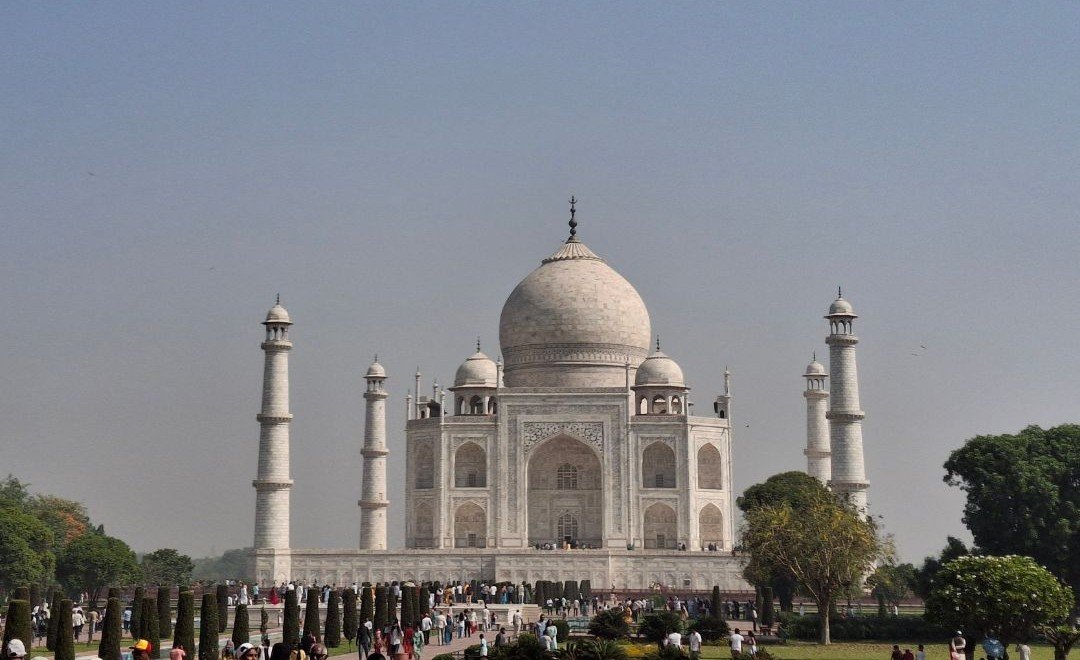
Agra exists for one extraordinary reason: the Taj Mahal. A luxury approach means arriving at sunrise, when the marble shifts through soft shades of pink and gold and crowds are thinnest, with a private, historically fluent guide explaining the monument’s construction and symbolism. Agra Fort, just across the river, deserves equal attention and offers some of the best photographic views of the Taj itself.
Jaipur
The Pink City is where many first-time visitors fall in love with Rajasthan. The City Palace, Amber Fort, and Hawa Mahal showcase Rajput architecture at its finest, and the city’s markets are a highlight for those drawn to gemstones, textiles, and hand block-printing. A stay in a genuine palace hotel here is often the emotional centerpiece of a first India trip.
While the classic Golden Triangle can be completed in four to five days, most luxury travelers now extend it into a broader Rajasthan circuit for a fuller experience.
Rajasthan: The Land of Kings
Rajasthan rewards travelers who go beyond the Golden Triangle more than almost any other region in India, thanks to its density of palace hotels, forts, and desert landscapes.
Udaipur
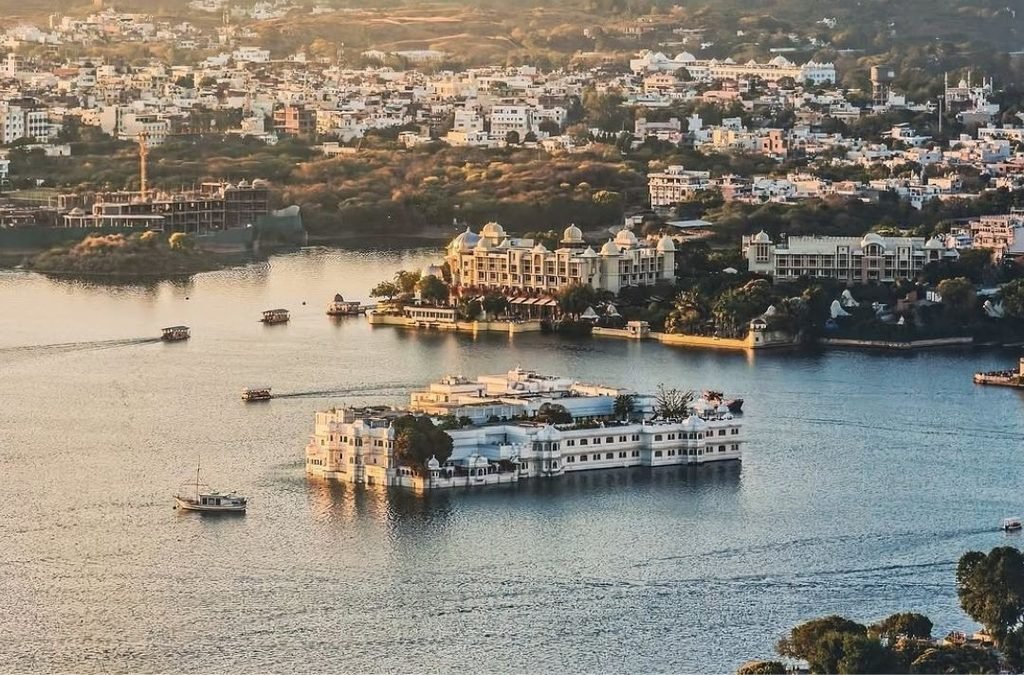
Often called India’s most romantic city, Udaipur wraps around Lake Pichola, with palaces that appear to float on the water. A lake-facing heritage stay here, paired with a private sunset boat ride, is one of the defining images of luxury India travel.
Jodhpur
The Blue City is dominated by Mehrangarh Fort, one of India’s most dramatic and best-preserved fortresses, overlooking a sea of indigo-painted rooftops. Palace-hotel stays here typically come with sweeping fort views.
Jaisalmer
Deep in the Thar Desert, Jaisalmer’s living sandstone fort is unlike anything else in India. Luxury travelers often add a private desert camp experience here, five-star tented accommodations set among the dunes, complete with a camel ride at sunset and a private dinner under the stars.
Ranthambore National Park
On Rajasthan’s eastern edge, Ranthambore is one of India’s best places to spot tigers in the wild. Several luxury lodges here combine excellent game-viewing with high-end comfort, making it a natural and rewarding addition to a Rajasthan-focused itinerary. A ten- to fourteen-day Rajasthan trip, combining two or three of these cities with a wildlife stop, gives first-time visitors an extraordinarily complete picture of royal India.
South India and Kerala: A Change of Pace
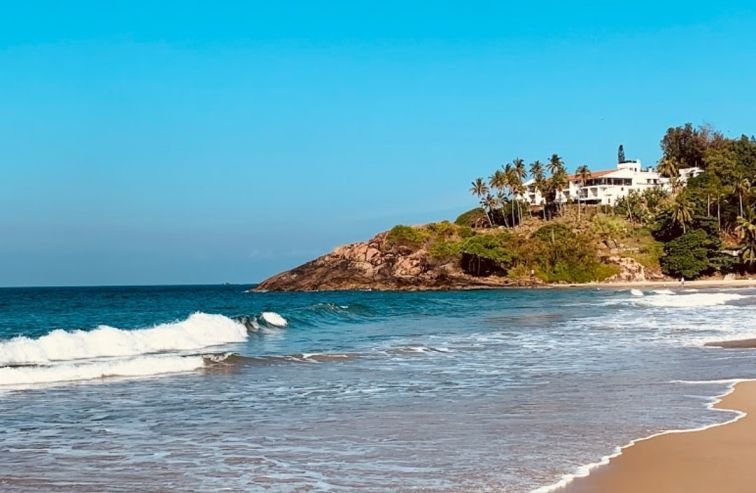
For travelers extending beyond North India, Kerala offers one of the country’s most relaxing luxury experiences and a striking contrast to Rajasthan’s forts and deserts. Known as “God’s Own Country,” Kerala’s backwaters, a network of canals, rivers, and lakes framed by coconut palms are best explored aboard a private luxury houseboat with a personal chef preparing fresh regional cuisine on board. This is typically where a longer luxury itinerary shifts gear from dense sightseeing to slow, restorative travel.
Kerala also offers excellent Ayurvedic wellness retreats, cool tea-plantation stays in Munnar, and wildlife viewing in Periyar National Park. Paired with a beach stay along the Malabar Coast, it works beautifully as the second half of an extended trip.
Other worthwhile southern additions include Kochi, with its layered colonial and maritime history, and the temple towns of Tamil Nadu, offering insight into India’s living religious traditions and Dravidian architecture.
Varanasi: India’s Spiritual Center
No serious luxury India itinerary should skip Varanasi, one of the oldest continuously inhabited cities on earth and the spiritual heart of Hinduism. For first-time visitors willing to step slightly outside the classic circuit, Varanasi offers an unfiltered look at faith, ritual, and daily life along the Ganges River unlike anywhere else on earth.
A luxury approach here includes a private sunrise boat ride along the ghats, watching the city wake through ritual bathing and prayer, followed by a respectfully arranged evening viewing of the Ganga Aarti fire ceremony. A growing number of boutique heritage hotels overlooking the river now offer genuinely comfortable stays in a city that can otherwise feel intense for unprepared visitors.
Most luxury operators place Varanasi later in an itinerary, once travelers have acclimatized to India, or treat it as a well-supported extension from a North India circuit.
Kolkata: Colonial Grandeur and Cultural Depth
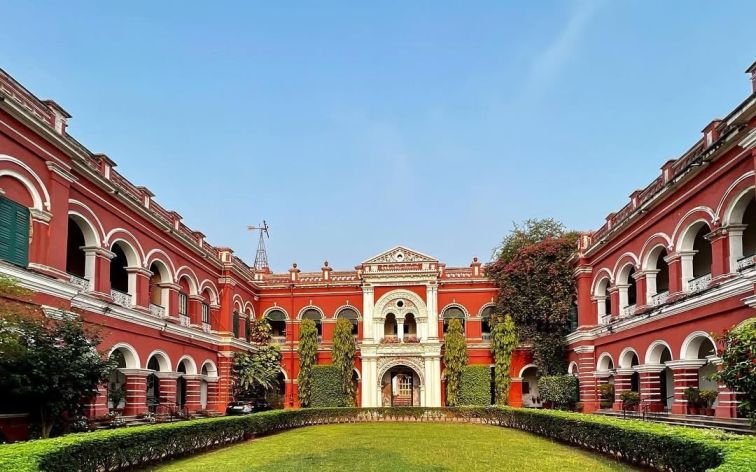
Often overlooked by first-time itineraries built solely around Rajasthan, Kolkata rewards travelers seeking a different, more literary side of India. As the former capital of British India, the city carries an extraordinary architectural legacy, grand colonial-era buildings, the Victoria Memorial, and stately old mansions along tree-lined avenues, alongside a reputation as India’s intellectual and artistic capital.
A luxury visit to Kolkata means staying at a restored heritage property or a refined city hotel, with a private guide walking through North Kolkata’s old merchant quarters, the flower market beneath Howrah Bridge, and the city’s celebrated art and literary scene. Kolkata is also one of India’s great food cities, and a curated culinary tour here, covering both Bengali fine dining and street classics, is a highlight for travelers with a serious interest in cuisine. For those extending east toward Darjeeling or the Northeast, Kolkata works naturally as a gateway city, adding cultural texture that the Golden Triangle alone doesn’t offer.
The Himalayas: Mountains, Monasteries, and Adventure
For travelers who want India’s natural grandeur alongside its cultural heritage, the Himalayas offer an entirely different register of luxury travel. This is where five-star comfort meets dramatic mountain scenery, Buddhist monastic culture, and a slower, more contemplative pace.
Shimla and Manali, in Himachal Pradesh, offer colonial-era hill station charm alongside luxury mountain resorts, ideal for travelers wanting scenic beauty without extreme altitude or remoteness.
Darjeeling, with its colonial tea estates and views of Kanchenjunga, pairs beautifully with a Kolkata stay, and a night in a converted tea-planter’s bungalow is a genuinely distinctive luxury experience.
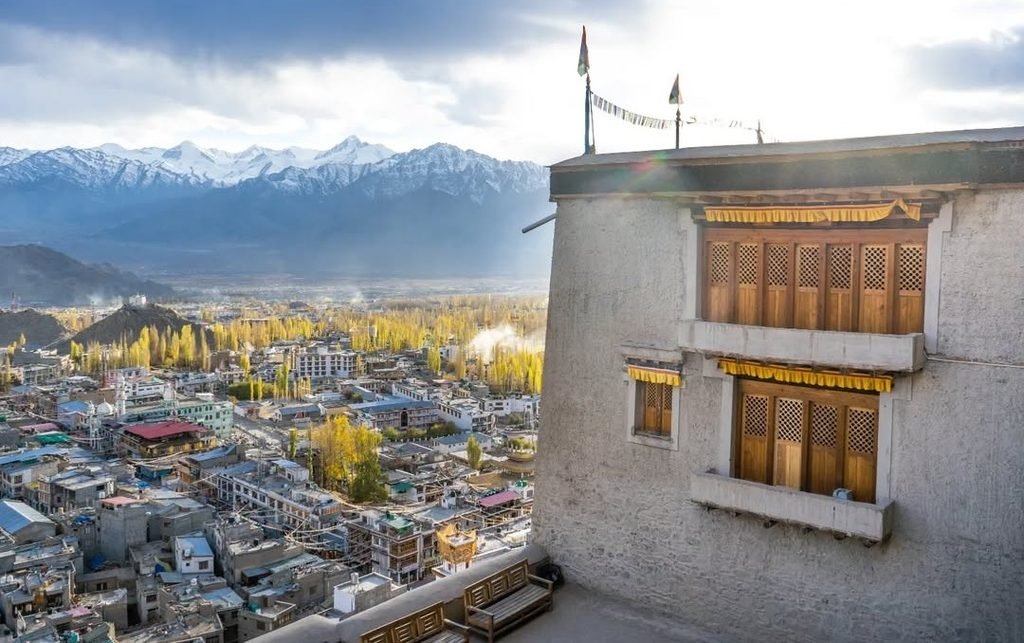
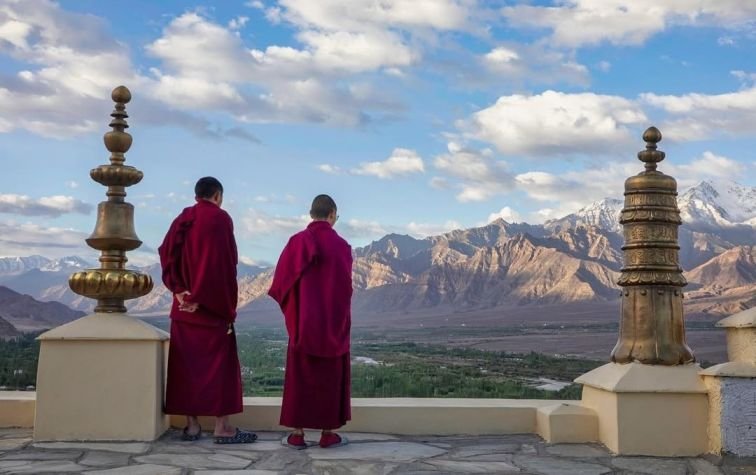
Ladakh, high in the Trans-Himalaya, offers dramatic desert-mountain landscapes, centuries-old Buddhist monasteries, and increasingly sophisticated luxury lodges, best suited to travelers willing to acclimatize to altitude for a more adventurous add-on.
Rishikesh and the foothills, along the Ganges as it emerges from the mountains, blend Himalayan scenery with India’s yoga and spiritual traditions, and are often paired directly with wellness-focused travel.
A Himalayan extension is typically added to a longer luxury itinerary, either as a scenic contrast after Rajasthan’s deserts or as a dedicated leg for travelers with a specific interest in trekking, monastery visits, or mountain culture.
Yoga and Wellness Tours: Restorative Luxury Travel
For travelers seeking more than sightseeing, a dedicated yoga and wellness tour has become one of the most sought-after forms of luxury travel in India, fitting, given that India is the birthplace of yoga and Ayurveda.
Rishikesh, known as the “Yoga Capital of the World,” offers luxury riverside retreats along the Ganges, with private yoga instruction, meditation sessions, and access to renowned teachers, set against a backdrop of temples and forested foothills.
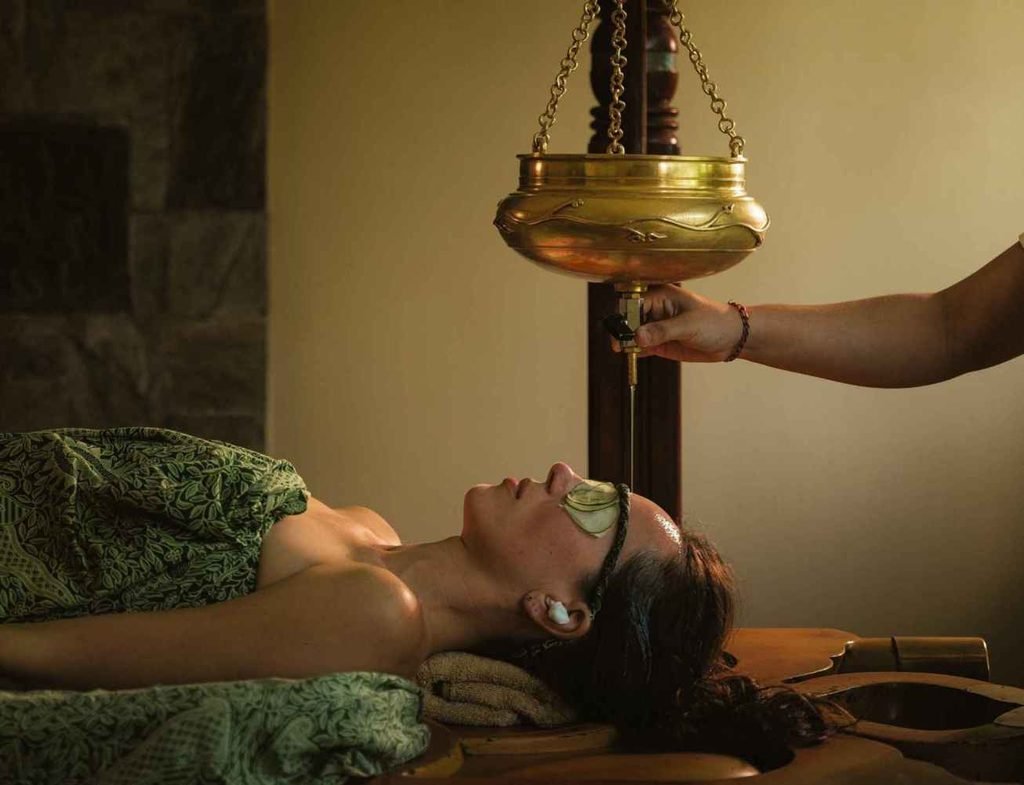
Kerala remains India’s premier destination for authentic Ayurvedic wellness, with luxury retreats offering personalized treatment plans, therapeutic massage, and detox programs rooted in a medical tradition thousands of years old.
The Himalayan foothills, including areas near Dharamshala and the lower ranges of Uttarakhand, combine yoga and meditation retreats with the added benefit of mountain air and Buddhist influence.
A well-designed wellness tour typically blends structured practice with cultural immersion, rather than isolating guests entirely from the surrounding destination. Many first-time visitors choose to bookend a cultural circuit – Rajasthan or the Golden Triangle with several days at a luxury wellness retreat, using it as a deliberate decompression period either at the start of the trip to settle in, or at the end to unwind before departure.
Sample Luxury India Itineraries for First-Time Visitors
7 Days: The Essential Introduction
Delhi (2 nights) → Agra (1 night) → Jaipur (2 nights) → Delhi departure (1 night). A compact Golden Triangle format for travelers with limited time who still want the headline experiences: Old and New Delhi, a sunrise Taj Mahal visit, and Jaipur’s palaces and forts, all with private transfers and guides throughout.
10 Days: Golden Triangle Plus Udaipur
Delhi (2 nights) → Agra (1 night) → Jaipur (2 nights) → Udaipur (3 nights) → Delhi departure (1 night). Adding Udaipur transforms a monument tour into a fuller royal Rajasthan experience, with a genuine lakeside palace-hotel stay.
14 Days: The Complete Rajasthan and Wildlife Circuit
Delhi (2 nights) → Agra (1 night) → Ranthambore (2 nights) → Jaipur (2 nights) → Jodhpur (2 nights) → Udaipur (3 nights) → Delhi departure (1 night). This itinerary adds a tiger safari and Jodhpur’s Blue City for both cultural depth and wildlife.
16–18 Days: North and South Combined
The 14-day circuit above, followed by a flight south to Kochi (2 nights), a Kerala backwater houseboat stay (2 nights), and a beach or hill-station stay in Munnar or along the Malabar Coast (2–3 nights) before departure. This is the itinerary of choice for travelers who want both cultural north and tropical south in a single, unhurried trip.
Most luxury operators build in a rest day roughly every four to five touring days. Even with private transport and skip-the-line access, India’s sights are dense, and pacing prevents fatigue on a first visit.
12 Days: Culture, Himalaya, and Wellness
Delhi (2 nights) → Agra (1 night) → Jaipur (2 nights) → Rishikesh (3 nights, yoga and wellness) → Delhi departure via Kolkata stopover (1 night). This route pairs the Golden Triangle with a Himalayan-foothill wellness retreat in Rishikesh, then closes with a taste of Kolkata’s colonial heritage and cuisine before departure, giving first-time visitors culture, mountains, and restoration in a single trip.
What a Genuine Luxury India Tour Includes
A well-designed luxury tour goes far beyond good hotels. The details separating an exceptional trip from a merely comfortable one include:
- Private, English-speaking guides with real subject-matter expertise, not scripted tours
- Skip-the-line and after-hours access to major monuments, arranged in advance
- Private, air-conditioned transportation throughout, eliminating stress around local transport
- Curated dining, from private meals inside heritage properties to vetted street food tours
- Flexible, thoughtful pacing built around the traveler’s interests and energy, not a rigid checklist
That last point matters more than most first-time visitors expect. India rewards travelers who have room to linger, an extra hour at a fort, an unplanned stop at a market, a spontaneous conversation with an artisan. The best luxury itineraries leave space for these moments instead of rushing between checkpoints.
Practical Planning Tips for First-Time Visitors
Visas. Most nationalities can apply for an e-Visa online in advance; processing times and requirements change periodically and should be confirmed close to travel dates.
Health. No vaccinations are mandatory for most travelers, though routine vaccinations should be current, and a consultation with a travel clinic a few weeks before departure is recommended. Bottled or filtered water is standard practice, and reputable operators ensure all dining meets high hygiene standards.
Currency. The Indian Rupee is the local currency. Major hotels and higher-end establishments widely accept international cards, though cash remains useful for markets, tipping, and smaller purchases.
Tipping. Tipping is customary and generally expected for guides, drivers, and hotel staff. Luxury operators typically provide clear guidance so guests aren’t left guessing.
Dress and etiquette. Modest dress is appreciated at religious sites, particularly covering shoulders and knees, and shoes are typically removed before entering temples and some heritage buildings.
Internal flights. For itineraries covering North and South India, domestic flights are standard and well-connected; a good operator handles all booking and timing to minimize disruption.
Pacing and jet lag. Given the distance most international visitors travel, building in a lighter first day or two rather than diving into full-day touring noticeably improves the rest of the trip.
How to Choose the Right Luxury India Tour Operator
For first-time visitors, the choice of operator matters as much as the itinerary itself. India’s scale and complexity mean the gap between a good operator and a great one shows up constantly, in the access negotiated behind the scenes, the caliber of guides, and how smoothly issues are resolved when plans need to shift.
Markers of a genuinely strong luxury operator for India include:
Real on-ground presence, not just a booking platform, established relationships with palace hotel families, heritage property managers, and local guides that aren’t accessible through generic channels.
Fully customized itineraries, built around a traveler’s specific interests, whether architecture, food, wildlife, wellness, or spirituality, rather than a fixed group package.
Transparent, high-touch communication, including a dedicated point of contact reachable throughout the trip.
Genuine regional expertise, since operators specializing narrowly in one circuit may lack the same depth of access elsewhere in the country.
Honest guidance on pacing and pricing, with realistic expectations that a truly exceptional India trip, with genuine heritage properties, private access, and expert guiding, is a meaningful investment rather than a budget add-on.
Frequently Asked Questions
How many days do I need for a first luxury trip to India? Most first-time visitors are well served by 7 to 10 days for a Golden Triangle and Rajasthan-focused trip, or 14 to 18 days for a fuller circuit that adds a wildlife safari and South India.
Is India safe for luxury travelers? Yes. India is a well-established international travel destination, and luxury operators further reduce risk through private transport, vetted accommodations, and dedicated local support throughout the trip.
What is the best luxury hotel type to experience in India? Palace hotels are the most distinctive luxury experience in India, offering genuine royal history alongside modern five-star service, though the best itineraries mix palace stays with modern hotels and wildlife lodges.
When is the best time to book a luxury India tour? October through March offers the most comfortable weather for most of the country, with December and January being coolest in the north. Booking three to six months ahead is recommended for peak-season palace hotel availability.
Can a luxury India tour be fully customized? Yes. Reputable luxury operators build fully private, customized itineraries around a traveler’s interests, pace, and travel dates rather than offering fixed group packages.
Is the Taj Mahal included in most luxury India itineraries? Yes, nearly all first-time luxury itineraries include Agra and a private, typically sunrise, visit to the Taj Mahal, given its central place in India’s cultural heritage.
Can I combine a yoga and wellness retreat with a cultural India tour? Yes. Many first-time visitors pair a Golden Triangle or Rajasthan circuit with a yoga and wellness retreat in Rishikesh or Kerala, using it to decompress either before starting or after finishing the more intensive sightseeing portion of the trip.
Is Kolkata worth adding to a first-time luxury India itinerary? Kolkata is a strong addition for travelers interested in colonial history, art, and cuisine, and works especially well as a gateway city for those also visiting Darjeeling or the eastern Himalayas.
Final Thoughts
For a first-time visitor, India offers something genuinely rare: the chance to be moved, surprised, and quietly transformed by a place, without sacrificing comfort or ease. The country’s scale can feel intimidating from the outside, but with a well-designed luxury itinerary, the right mix of iconic sights and hidden access, the right properties, the right pacing, and the right people guiding the way, it becomes one of the most rewarding travel experiences available anywhere in the world.
The goal of a great luxury India tour isn’t to show a traveler everything. It’s to show them enough, at the right depth, so that what they see stays with them long after the trip ends, and so that India starts to feel like a place they’ll always want to return to, rather than a country they visited once.
About the Author
Somlata Chakraborty is a travel writer and India travel enthusiast with a passion for exploring the country’s diverse destinations, culture, heritage, and local experiences. She enjoys sharing helpful travel insights to help international travellers discover India through meaningful and well-planned journeys.